
What is EMDR Therapy?
You might have heard about EMDR therapy online, or heard someone you know talk about it, but what is it, really? Is it your therapist moving their fingers back and forth while you talk about your trauma? Is it like getting hypnotized? Let’s dive into it with the help of an EMDR therapist.

EMDR stands for Eye Movement Desensitization and Reprocessing therapy. It is a therapeutic intervention that is most used for traumatic experiences and PTSD, however can also be applied to depression, anxiety, and any negative self-perceptions. Most famous (and named for) the use of eye movements during therapeutic processing, the real focus is on bilateral stimulation. This can be done through guided eye movements, however can also be done through tapping on the legs, chest, or arms, buzzers, or auditory tones. The important part is a stimulus that alternates between the left and right side of your body. But how does introducing bilateral stimulations help with therapy?
To better understand this, we will first dive into the adaptive information processing model (AIP). This is the theoretical model that EMDR therapy is based on. There are two main principles that we will discuss related to the AIP model:
The brain has a natural ability to heal from stressful and traumatic experiences.
The past is stuck living in the present
The AIP model indicates that the brain has a natural healing system just like the body does. We have all gotten cuts or bruises before, but we don’t have to sit and think about repairing the skin and blood vessels, our body just does it. Our brain actually possesses this same ability to heal itself from even the most intense and traumatic experiences. Dr. Francine Shapiro, the founder of EMDR therapy, discovered that using bilateral stimulation while working through a troubling experience naturally made the memory become less distressing. We can view the brain’s adaptive processing system like an engine, and bilateral stimulation is the key that turns it on.
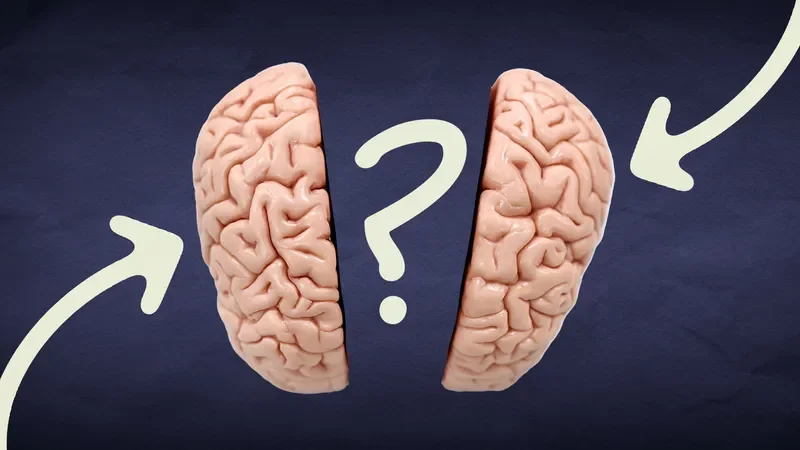
When we say that the past is stuck in the present, this means that an experience did not move through the brain’s normal pathway for adaptively storing information. In intensely stressful situations, sometimes our adaptive system fails, leaving a memory stuck halfway processed and living in our “feeling brain.” For people living with PTSD, this is why cognitive approaches like CBT are not as effective. I can know logically that I am not actually experiencing the traumatic memory in the present, but if my feeling brain “feels” like it is still happening, no amount of logic or reason can make me stop feeling that.
This is what is so interesting and exciting about EMDR therapy. It is a tool that allows us to directly access this feeling brain, and help move the memory through our adaptive system, resolving our discomfort when reminded of the experience. This is a crucial component of trauma processing that most therapeutic interventions are not able to access.
Now, I can get excited about the processing part of EMDR therapy, but there are some other components that are important to discuss.
Before we get to processing our traumas, we have to go through your history, discussing your experiences and evaluating your current symptoms. Some presenting conditions actually do not work as well with EMDR therapy, such as psychotic disorders or intense dissociative patterns. This does not mean you can’t resolve your trauma, it just means that a different approach is needed, because EMDR has the potential to cause harm if used with someone who is experiencing these symptoms.
I couldn’t write this article without also talking about resourcing. Resources are very similar to coping skills, but we refer to them as resources in EMDR therapy. The resourcing process is done very early in EMDR therapy in order to make sure that an EMDR client has the ability to use these skills to regulate the intense emotions that can arise during EMDR processing. After all, if I took someone into their deepest trauma without any resources, then sent them on their way, would I really be helping?

Another interesting fact about EMDR is that while we know that bilateral stimulation is the key that starts the engine of adaptive processing in your brain, we don’t really have an off switch. This means that after an EMDR session ends, your brain can continue processing what you worked on in that session for hours or days. This further highlights the importance of having strong resources before EMDR processing starts. As your EMDR therapist, I need to know for sure that if something challenging comes up after you head home from a session, you will be able to use your resources to get regulated and be able to continue living your life until the next session.
So, if you decide to go see your local EMDR therapist, don’t get upset when they don’t start waving their fingers around right away. I know that it’s easy to get caught up in wanting to address the root of the problem right away, but EMDR is a very powerful tool, so we have to be careful and work our way up.
I am a practicing EMDR therapist in Carmel, Indiana. If reading this article made you think you might benefit from EMDR therapy, feel free to reach out to me through the contact page on our website. I offer free 15-minute phone consultations to see if I am a good fit for your therapy needs, and work with anybody ages 5 and up! I hope that this article helped you understand EMDR better, and if you decide to embark on your own EMDR journey, I hope you can feel the life-changing benefits!