
What Causes Addiction?
We hear about addiction a lot today. Whether it’s drugs, alcohol, gambling, sex, or hoarding, one thing is for sure: addiction is running rampant. I spent a year and a half working in a treatment center for people recovering from addiction, and today I would like to share with you some of what I learned about addiction during this time.

When I first started learning about addiction and that somehow I, as a mental health counselor, am supposed to be able to “talk therapy” somebody out of potentially decades-long addictions, I wasn’t sure what to do. So I dove deeper, as I started working with my recovering clients, into what exactly leads to addiction, and what I can do to help.
One of the things I learned early on in my work with addictions is that addiction is not just a problem, it is a disease. It changes the whole wiring system of the brain, hijacks your decision making systems, and completely disrupts your dopamine system. Of course this does not occur instantly, but develops over the course of time with extended engagement in potentially addictive behaviors.
There are also underlying components that impact the likelihood of someone developing an addiction. One of these factors is genetic. Researchers have shown that if you have family members that have suffered from addiction, you are more likely to develop an addiction if exposed to addictive substances or activities. Another factor that influences addiction is adverse childhood experiences (ACEs). Research has also shown that someone who has more ACEs is more likely to develop addiction later in life.
But it still can feel confusing. Sure, my dad being an alcoholic makes me more likely to be an alcoholic, and having bad things happen to me makes me more likely to seek out unhealthy sources of dopamine. But why not find a healthier way through? Why not get therapy, or talk to your friends, or find a healthier hobby?
The more clients I worked with, the more I understood. Addiction might be the most noticeable problem, but really, things are much deeper. Almost every single person I worked with did not just come in with a diagnosis of substance use disorder. They came in with anxiety, depression, PTSD, OCD, personality disorders, and any number of other mental health concerns. People with childhood trauma, people with unmanageable anxiety, people with crippling depression, all abusing substances just to get through the day.
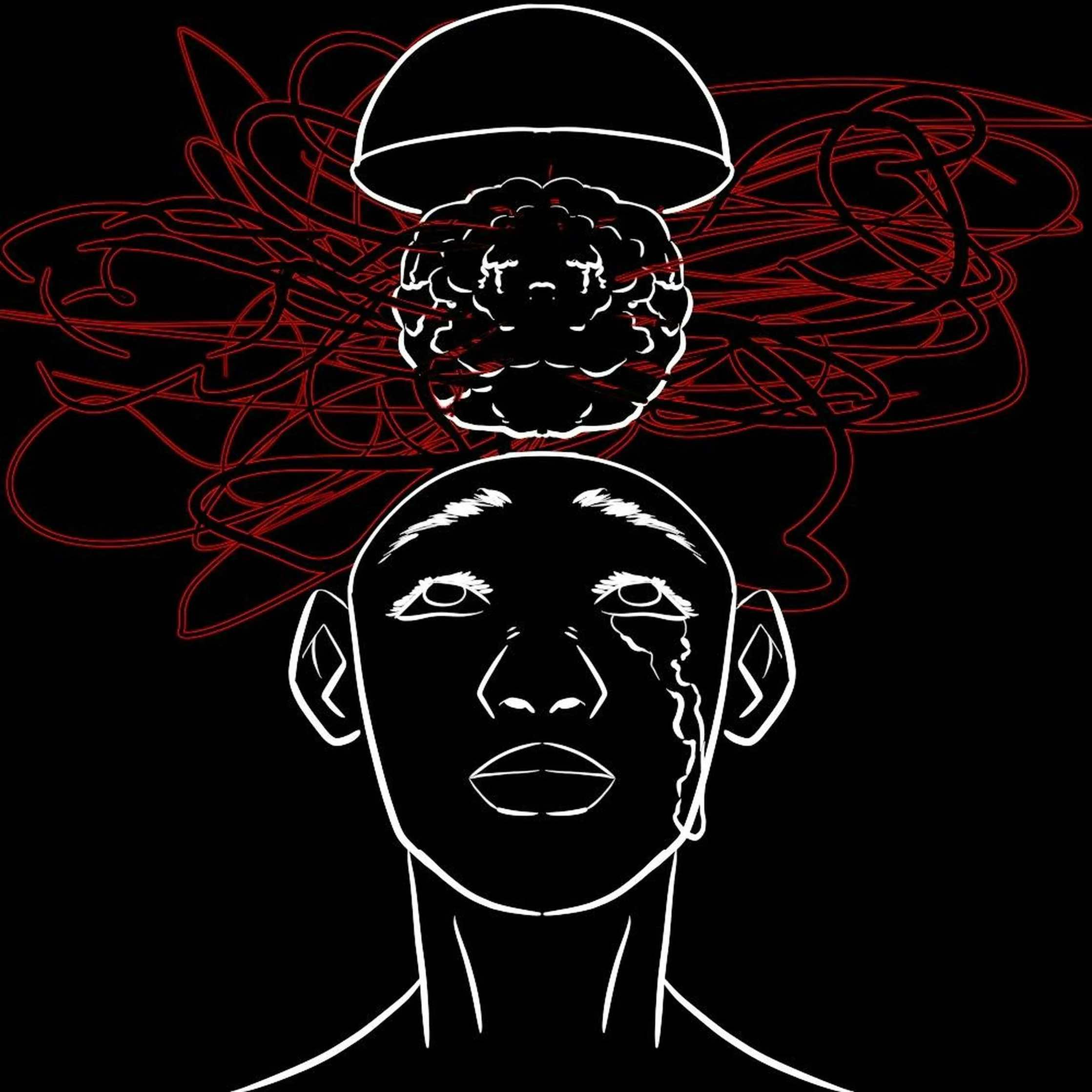
The clarity arrived: addiction isn’t the problem, it’s the coping mechanism. You can’t talk someone out of using substances, or gambling, or problematic sexual behaviors, you have to address what is underneath the surface causing these problems.
This really makes sense when you zoom out, because honestly, addiction is confusing from an outside perspective. If you’ve had family or friends struggle with addiction, you might’ve had thoughts like “Why don’t they just put the bottle down,” or “Can’t they see they’re ruining their life?” These are valid questions, because to someone without addiction, it really is that easy. But let’s come back to our earlier discussion of addiction as a disease.
I mentioned earlier that addiction rewires the brain and changes the way our decision making system works. To understand how that happens, we need to understand exactly when an addiction has begun.
The addiction does not develop when I have my first drink at 16. It doesn’t develop when I go through a traumatic car accident. It doesn’t even develop when I have a drink every day after work. Addiction develops when I learn that a drink, a drug, gambling, sex, they make me feel better when nothing else can. In my experience, that is when something goes from being an unhealthy habit, to being an addiction.
This is where the disease sets in. All of a sudden, my brain has developed the idea that my addictive substance or activity is the ONLY thing that will make me stop feeling this negative stuff. At that point, it doesn’t matter if I have negative consequences, it doesn’t matter if I am ruining my life and pushing away the people closest to me. Because, at the end of the day, I need to prevent those bad feelings from coming back at all costs.
Something that makes this response even stronger is a little bug in our brain’s understanding of danger. We have been evolving for a loooong time, and for most of that time, the only thing that mattered was being able to survive physical danger in order to reproduce and sustain the human population. Emotional stability and health was an evolutionary afterthought, because we simply did not have the time or energy to worry about that.
Now, we find ourselves living in the 21st century, where most of us don’t have to worry about our physical safety every day. The problem is, our brains haven’t caught up yet. Research shows that when we are exposed to emotional danger (i.e. the potential for high levels of hurt, sadness, or anxiety), this is processed in the exact same centers of the brain that physical danger is.
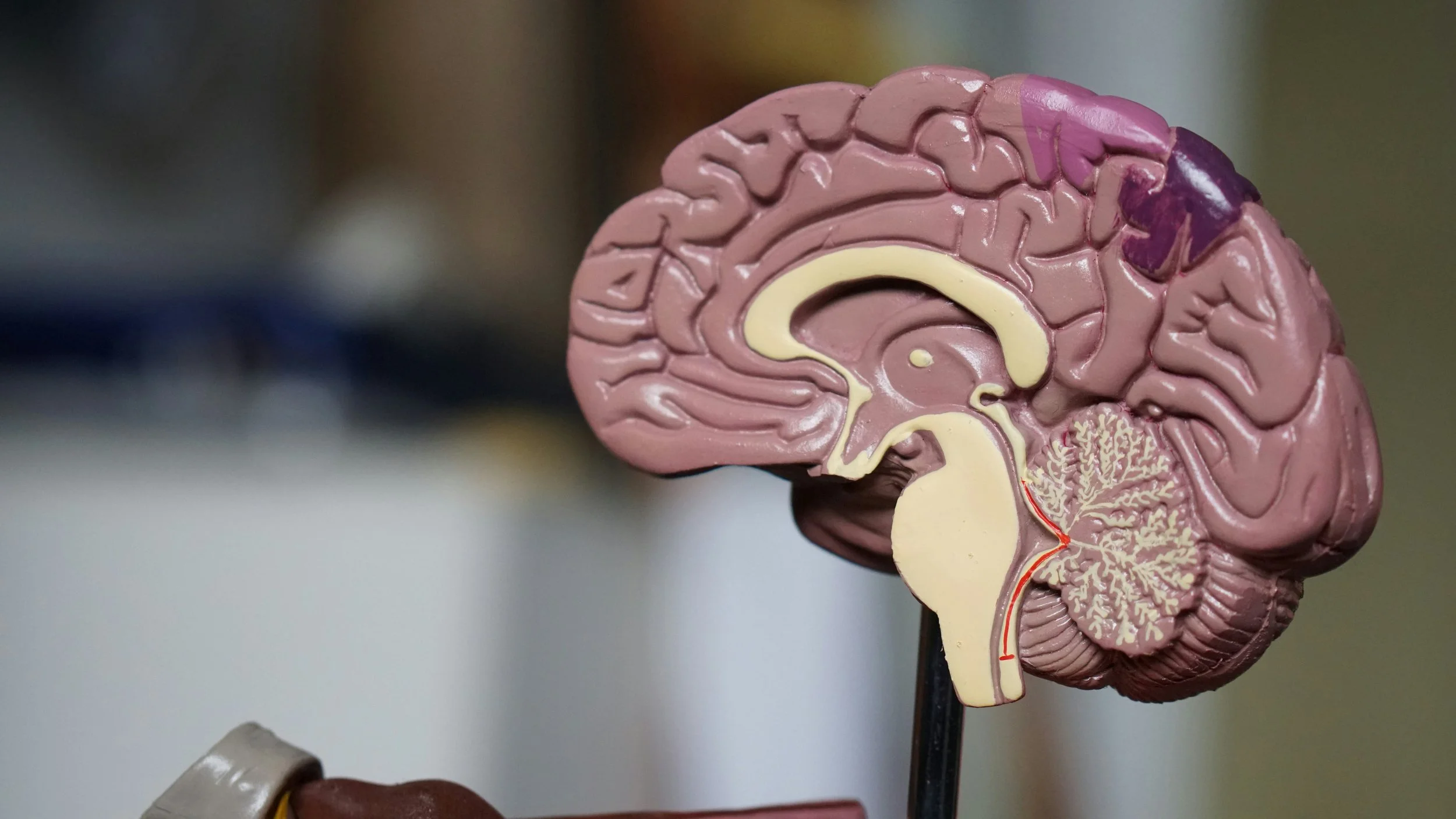
Think about that for a minute. If I am afraid that something is going to make me feel intense grief, MY BRAIN WORKS THE SAME WAY IT DOES IF I’M EXPOSED TO IMMEDIATE PHYSICAL DANGER! The exact same processing centers. The exact same neurochemicals firing.
Now let’s put that back in the context of addiction. My brain learned that a drink makes me feel better when nothing else can. Suddenly an intense emotion comes over me, I’m afraid, I’m anxious. My brain and body feel as though I am in physical danger, and at that point, we will do anything we can to protect ourselves (even from the emotional danger). Because I know that a drink makes that go away, I’m going to have a drink, regardless of the consequences, because my brain is trying to keep me safe.
This answers the question “Why don’t they just put the bottle down?” It is because your loved one’s brain is in a survival state, and using the only method it knows how to keep going. This, combined with the pain of physical withdrawals (when dealing with substance addictions), makes it very difficult to get clean alone.
Having worked in a recovery facility, I am a huge advocate for inpatient services for people trying to get sober. The medical care provided in a residential/detox program is oftentimes necessary for managing the intense withdrawal symptoms and cravings that arise during early recovery. But, I won’t get too deep into that today.
While we can’t provide all the answers as therapists, this is a general overview of some of the major underlying causes of addiction. I have seen people from all over the country, with all sorts of addictions, work through a program and build successful and fulfilling lives for themselves. If you or a loved one is struggling through addiction, know that this is possible for you as well, if you can get connected with the right resources and are ready to put in the work.

If what I have discussed today is resonating with you, feel free to reach out to our team of counselors to discuss getting started on your recovery journey with mental health counseling. We would be happy to meet with you to discuss how we can best support your ongoing recovery, and get your life back to where you want it to be. Schedule a free 15-minute consultation today, or contact us through the website directly!